Which Charger Type Is Right for Your Smartphone?
2025-12-16 14:28:11
Choosing a charger today can feel overwhelming because shelves and online listings are filled with different ports, wattages, and safety claims. Everyday users often just want something that works reliably at home, in the office, or while traveling, without needing to understand complex technical terms. Confusion usually leads to hesitation or rushed purchases that later cause frustration. A little guidance can make a big difference in helping you feel confident about your decision. In this article, we will clearly explain the most common charger buying confusions and show you how to resolve them with simple, practical thinking.
Confusion 1: USB-C or USB-A?
Why USB-C Is the New Standard for Speed and Versatility
USB-C has become the preferred port because it supports higher power and faster data transfer. Many modern phones, tablets, and laptops rely on USB-C for efficient charging. This port is reversible, which makes daily use easier and reduces wear from incorrect insertion. USB-C also supports advanced charging standards, allowing one charger to work across multiple devices. For long-term use, USB-C offers flexibility that fits modern lifestyles. Choosing USB-C today helps reduce compatibility issues as devices continue to evolve.
When You Might Still Need a USB-A Port
Despite the rise of USB-C, USB-A is still common in older accessories and cables. Many people have legacy devices that rely on USB-A connections. Keeping at least one USB-A port can reduce the need to replace all existing cables. USB-A chargers also work well for low-power devices like earbuds or small accessories. Balancing both ports can be practical if you use a mix of old and new devices. This approach avoids unnecessary spending while easing the transition to newer standards.
Confusion 2: What Wattage Do I Really Need?
Simple Rule: Match Wattage to Your Largest Device
Wattage determines how much power a charger can deliver. A simple rule is to base your choice on the most power-hungry device you own. If you charge a laptop, your charger should meet or slightly exceed that requirement. Using too little wattage leads to slow charging or no charging at all. Matching wattage properly ensures consistent and reliable performance. This rule keeps charging predictable in everyday use.
Why Buying Slightly Higher Wattage Is Smarter
Choosing a charger with slightly higher wattage provides flexibility. It allows the charger to handle future devices without needing replacement. Higher wattage chargers usually regulate power safely, delivering only what the device needs. This approach also improves charging speed for smaller devices. Spending a little more upfront can prevent multiple purchases later. It is a practical way to prepare for changing technology.
Confusion 3: Are All Safety Certifications the Same?
The Non-Negotiable Safety Marks You Must Look For
Safety certifications indicate that a charger has passed essential electrical tests. Marks such as UL and CE show compliance with recognized standards. These certifications reduce risks like overheating and short circuits. A charger without proper certification may work initially but fail over time. Always prioritize safety marks when making your choice. This habit protects both your devices and your home environment.
How to Spot a Fake or Low-Quality Certification
Some chargers display unclear or poorly printed symbols that mimic real certifications. Fake labels often lack detailed information or appear inconsistent on packaging. Trusted certifications are usually listed clearly with supporting documentation. If something looks suspicious, it probably is. Taking a moment to inspect labels can prevent long-term problems. Careful checking saves you from hidden safety risks.
Confusion 4: Does Price Equal Quality and Safety?
When to Invest More for a Critical Charger
Not all chargers need to be premium, but some situations justify higher investment. Chargers used daily for essential devices deserve better build quality. Frequent travel or long charging sessions increase stress on components. Spending more in these cases often means better materials and reliability. A dependable charger protects both your devices and your routine. This is especially true when a charger becomes part of daily work or study habits.
How to Find Reliable Value in the Mid-Range
Mid-range chargers can offer excellent balance between price and performance. Look for clear specifications, solid construction, and proper certifications. Reading user experiences helps confirm real-world reliability. Avoid deals that seem too cheap to be true. Thoughtful comparison often reveals strong value without overspending. A careful choice here can deliver long-term satisfaction.
Confusion 5: One Universal Charger or Multiple Specialized Ones?
The Case for a Single, Powerful GaN Charger
A single powerful charger can simplify daily charging needs. GaN technology allows compact size while delivering high power efficiently. One charger reduces clutter and makes travel easier. Many users appreciate having one solution for multiple devices. This approach works best when the charger matches your highest power requirement. It also reduces the number of cables and adapters you need to manage.
When Separate Chargers Make More Sense
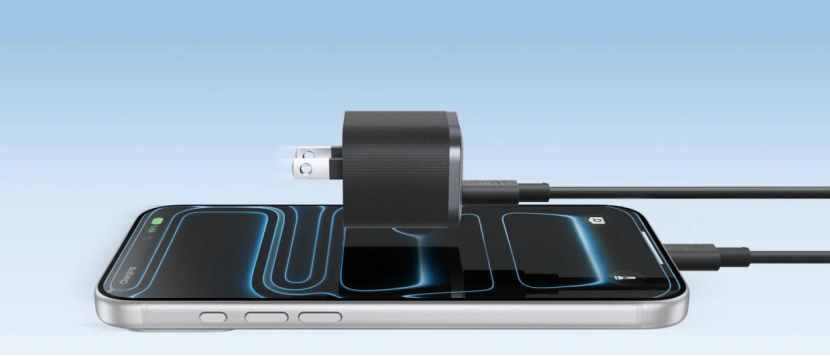
A dedicated charger in your daily routine can make charging more efficient and convenient. For example, keeping one charger on your desk and another by your bedside eliminates the need to move a single charger around, saving you time throughout the day. If you're considering Apple's latest phone, you may be wondering: does iphone 17 come with a charger? It does not—which is why investing in a new charger, such as a reliable and elegantly designed Anker model, isn't an extra expense but a practical upgrade. This kind of setup not only improves daily convenience but also helps extend the life of your charging accessories by reducing frequent plugging and unplugging.
Conclusion
Charger buying does not need to be confusing when you understand the key factors. By focusing on ports, wattage, safety, price, and usage scenarios, you can make informed decisions. Each confusion has a clear solution rooted in everyday practicality. Taking time to evaluate your real needs leads to better long-term satisfaction. With clarity and confidence, you can choose chargers that support your devices and your daily life reliably.